
English| EUR
Suggested for you
More currencies
Choose a language
The red sand riyadh weather guide reveals a desert climate with extreme seasonal variation—from winter mornings that dip to 8°C to summer afternoons that exceed 45°C. Understanding these patterns determines whether you photograph golden dunes in comfort or retreat from mid-day heat. This page breaks down the climate data that shapes every visit to Al Remal Al Hamra.
Quick answer
Red Sand Riyadh weather follows a hyper-arid desert pattern with November through February offering the most comfortable conditions—daytime highs of 20–24°C and cool mornings around 10–12°C. June through August bring extreme heat with afternoon temperatures regularly reaching 42–47°C, making outdoor activity unsafe during mid-day hours. Spring (March–May) and autumn (September–October) present transitional temperatures of 28–38°C with moderate morning windows for exploration.
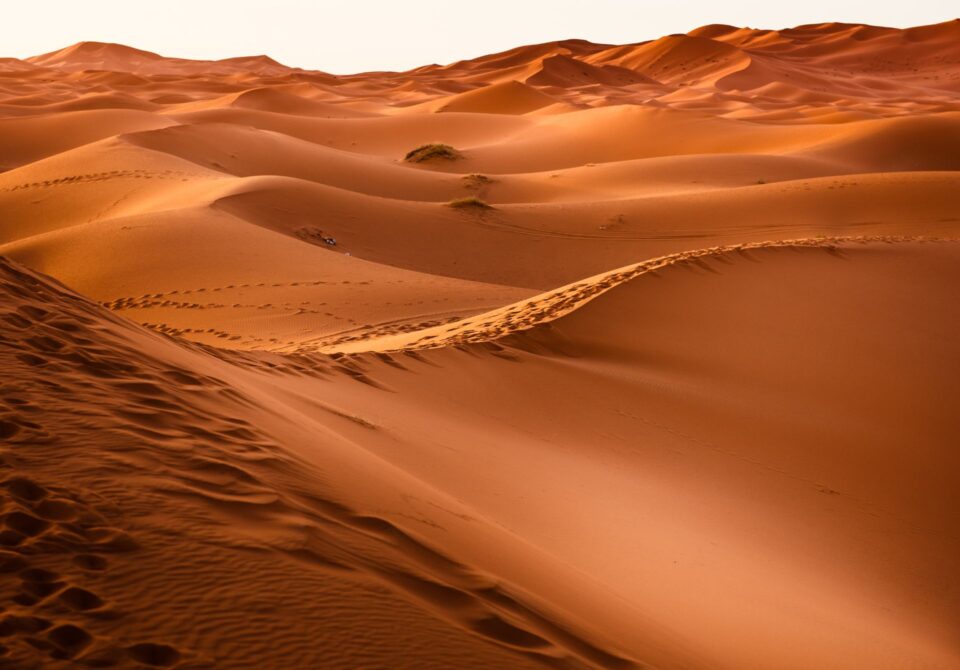
Riyadh's desert climate imposes a tyranny of timing on every visitor to the red sand dunes. Summer months transform the landscape into a furnace, with July and August surface temperatures on exposed sand often exceeding 60°C by early afternoon—conditions that make even brief walks dangerous without shelter. The city records fewer than 100mm of annual rainfall, nearly all concentrated in brief winter downpours between November and March. Winter mornings at Al Remal Al Hamra present a different desert entirely. December and January bring crisp air that hovers near 8–10°C at sunrise, warming to pleasant 22°C by noon before dropping sharply again after sunset. These months see the heaviest visitor traffic precisely because the temperature window for comfortable exploration stretches from dawn through mid-afternoon. The sand retains warmth longer than air, creating a microclimate where surface temperatures remain 5–8 degrees higher than ambient readings. Riyadh desert weather patterns create narrow opportunity windows during shoulder seasons. March and October offer the last and first comfortable weeks respectively, with morning temperatures in the high teens and afternoon peaks around 32–35°C. April and May see rapid warming that pushes mid-day temperatures above 38°C, compressing the viable visiting window to early morning hours before 09:00. Wind patterns intensify during spring, occasionally triggering dust storms that reduce visibility and coat vehicles in fine red particles. The open desert terrain offers no natural shade, no water sources, and no protection from the elements. Surface temperatures on the dunes can be 15–20°C hotter than the air temperature meteorologists report for central Riyadh. Visitors who ignore seasonal climate data risk heat exhaustion during summer months or underestimate the cold during winter sunsets, when temperatures plunge 15 degrees within an hour of dusk.
“Surface temperatures on exposed sand often exceed 60°C by early afternoon during July and August, making even brief walks dangerous without shelter.”
The Red Sand Dunes are a natural open desert area accessible to visitors twenty-four hours a day, seven days a week. Please note that while the site is always open, local weather conditions should guide your arrival decisions.
Red Sand Dunes (Al Remal Al Hamra) are located in the desert expanse southeast of Riyadh. Access requires a 4x4 vehicle to navigate soft sand terrain effectively, particularly when weather conditions impact road surface stability.
Route 65 (King Fahd Road) to Riyadh-Al Kharj Road
Private hire via ride-sharing apps
Use a 4x4 vehicle to prevent getting stuck in deep sand. Ensure you have offline navigation maps downloaded, as mobile signal can be inconsistent in the open desert area.
Desert conditions demand specific preparation — pack for heat, sun exposure, and remote terrain.
Everything you need to know about red sand riyadh weather
The red sand riyadh weather is typically hot and dry, making early morning or late afternoon the most comfortable periods for exploring. High temperatures are common during the day, so visitors should plan accordingly to ensure a safe experience.
Planning your visit during the 06:00–17:00 window helps avoid the peak intensity of the red sand riyadh weather. This arrival window provides cooler conditions and ideal lighting for photography.
Visitors exploring this Riyadh desert landscape should wear breathable clothing, sunglasses, and hats to protect against the sun. Bringing adequate water is essential to remain hydrated throughout your time in the dunes.
While the site remains open, extreme heat during the peak of the red sand riyadh weather can make outdoor activity challenging. It is advisable to check local forecasts before traveling to the dunes to ensure safety.
Entry to this natural area is entirely free, as it is a public desert landscape. There are no ticket requirements for visiting the dunes.
The area is accessible at all hours, operating daily from 00:00–23:59. This allows for flexible scheduling, though visitors often prefer daytime or sunset hours.
When considering a Riyadh desert tour, prioritize booking during cooler months or early hours to manage the desert climate. Always monitor conditions to make the most of your excursion to these iconic formations.